

Following the water: General drainage plan for Meerbusch
New drainage concept for Meerbusch-Strümp
The task was clear: the general drainage plan, now 20 years old, needed to be updated. Not only were there new construction and sewer rehabilitation measures to consider, but also developed and projected expansion areas had to be integrated. In addition, the supervisory authority required that receiving waters be relieved—on the one hand by reducing discharge volumes from the sewer network into surface waters, and on the other by improving the use of existing retention capacities.
The sewer system in Meerbusch-Strümp consists predominantly of a separate system. Only a small portion of the area is drained via a combined system. Wastewater from both drainage systems within the Meerbusch-Strümp catchment flows into a large-volume storage sewer. From there, the wastewater is throttled and pumped to the Düsseldorf-Nord wastewater treatment plant.
Analysis of surcharge events and countermeasures
The result: according to the calculated hydraulic verification, there would be 70 surcharge events in the existing sewer network. At the affected manholes, water would overflow to the surface—with a volume of approximately 2,200 cubic meters.
However, the project did not end with the analysis of existing conditions. The next step was to use forecast calculations to model the impact of future land use on the existing sewer network. The canalized catchment area increased by seven hectares in the forecast. The modeling showed an increase in surcharge volume by 885 cubic meters—resulting in overflow at three additional manholes.
In the forecast model shown above, a section of the sewer network is illustrated. The manholes marked in red are subject to surcharge, meaning water escapes here and can cause significant damage. The red circles indicate surcharge volumes of more than two cubic meters.
After identifying these hydraulic weak points in the sewer network, the GINGER HPC team from the Aachen branch developed a comprehensive remediation concept. For the section shown, this involves the construction of an infiltration basin to prevent surcharge in the stormwater network. The basin is designed in accordance with the guidelines of DWA-A 138, taking into account groundwater levels and the required storage capacity.
To ensure that rainwater from the eastern direction can also flow into the basin, the flow direction of two sewer sections will be reversed. In addition, a new network connection is planned to link the vulnerable stormwater network area with adjacent network capacities. Both measures help prevent water from escaping these manholes during heavy rainfall events.
Model setup and calculation principles
To develop the general drainage plan for the district, a hydrodynamic model was created using the software Hystem-Extran. As a first step, the GINGER HPC team from the Aachen branch mapped the entire sewer network, including all pumping stations and special structures. It is precisely this type of forward-looking planning – based on a general drainage plan—that will help avoid damage in the Meerbusch-Strümp urban area during future heavy rainfall events. They then divided the catchment area into sub-areas, each assigned to a specific sewer section. Connected private areas were recorded based on wastewater fee data. In addition, runoff-relevant surface areas were determined using aerial survey data. These effective runoff areas were then intersected with the section-based sub-areas.
To define key parameters for the calculations, flow rates in both the stormwater and wastewater networks were measured over a six-month period and compared with precipitation data. The simulation software Hystem-Extran was successfully used for all calculations.
The GINGER HPC team from the Aachen branch coordinated with the Düsseldorf district government to ensure that the hydraulic verification of the sewer network was carried out using the Euler Type II model rainfall. To account for varying weather conditions, selected heavy rainfall events from the precipitation data of Meerbusch were also included in the long-term simulation.
At a glance:
More success stories


Why work with us?
More than 75 years of experience
Since 1948, GINGER HPC has combined expertise and precision in environmental and engineering projects – ensuring reliable solutions that stand the test of time.
Strong international network
With offices across Europe, as part of the Ginger Group and as a founding member of the Inogen Alliance, we bring global insights and local expertise to every project.
Highest Quality Standards
Our solutions deliver technically flawless results, well-thought-out details, and an uncompromising commitment to quality at every stage of your project.
Our Service Areas
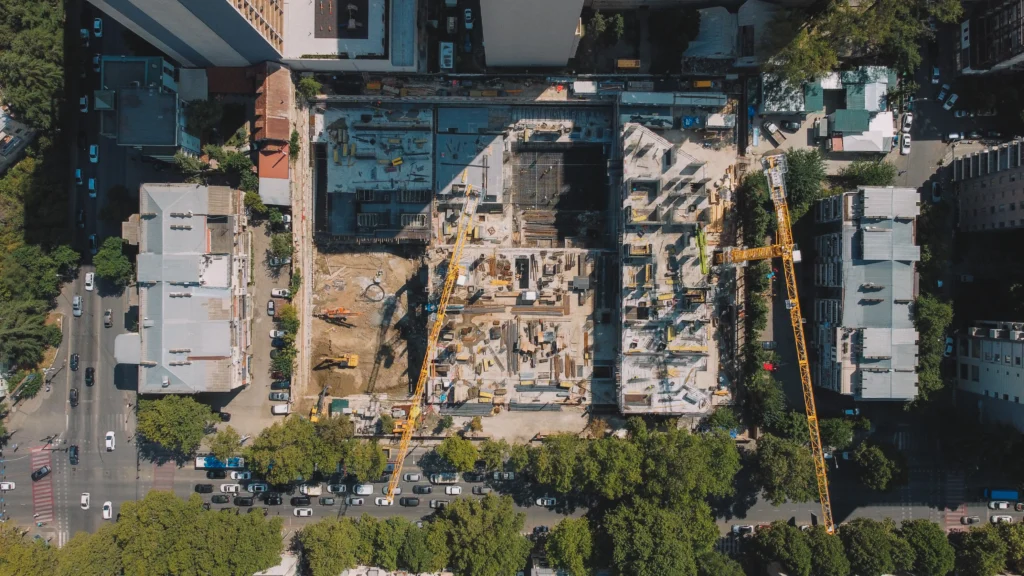
Land Recycling
Experience. Responsibility. Worldwide.
Life is constantly evolving. New buildings and installations are emerging on freely available land. Elsewhere occupied land is being redeveloped and…

Environment and Safety
Experience. Responsibility. Worldwide.
The environment and our living conditions determine our quality of life. Development entails changes. Environmental development is the result of many…
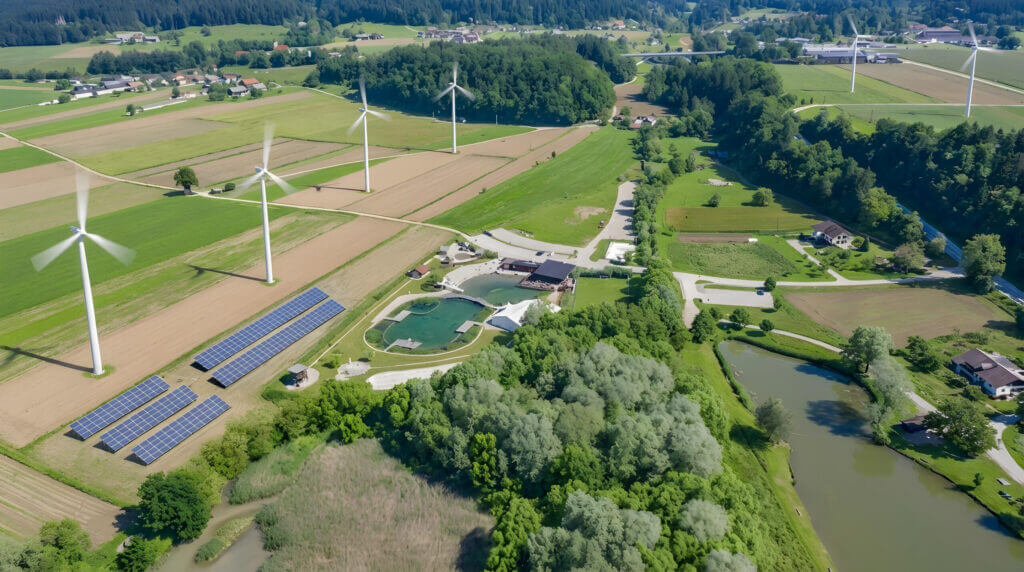
Infrastructure
Experience. Accountability. Valorisation.
Regional economic objectives of investment-related infrastructure policies can only be achieved by thorough infrastructure planning. Infrastructure…
Got a project in mind?
We have the solution.